
Employment
Spain extends paid maternity and paternity leave to 20 weeks per parent
The non-transferable, 100-per-cent-paid leave increases by one week for each parent, while single-parent families receive two extra weeks to reach 34 weeks in total
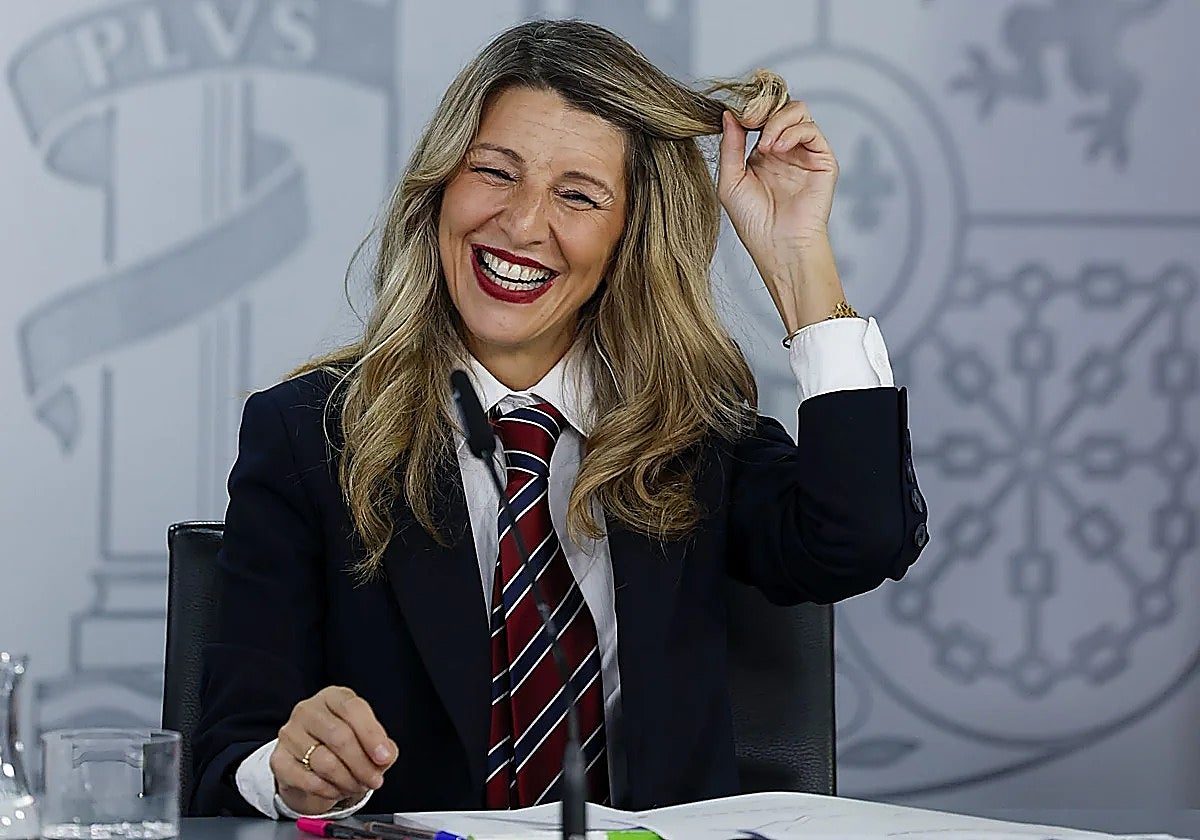

Spain has extended paid maternity and paternity leave by one week to 20 weeks per parent, while single-parent households will see their entitlement rise ... from 32 to 34 weeks.
Second Deputy Prime Minister and Minister of Labour Yolanda Díaz announced on social media platform Bluesky that the measure is being approved at Tuesday's cabinet meeting - the final session of the Council of Ministers ahead of Sunday's general election.
"A baby's first few months can never be repeated," Díaz wrote, confirming that the 20 weeks of birth and childcare leave for each parent remain fully non-transferable and paid at 100 per cent of salary.
Prime Minister Pedro Sánchez also welcomed the decree on X, saying the coalition had fulfilled its pledge to reach 20 weeks.
Under the new structure, parents will have 18 weeks of paid leave during their child's first year - including six compulsory weeks immediately after birth - plus two flexible paid weeks of parental care leave that can be taken until the child turns eight.
Related story
-
Finance
Edurne Martínez
For single-parent families - nearly 80 per cent of which are headed by women - total paid leave rises by two weeks to 34 weeks, including four flexible weeks usable until the child reaches eight years old.
"A single mother cannot be allowed less time to care for her child than a couple. That baby needs the same," Díaz wrote.
The cabinet is also passing a separate expansion of paid bereavement leave to ten days.
Evolution of Spain's birth leave
The reform builds on changes introduced in July last year, when the government raised standard birth leave from 16 to 17 weeks and created two paid parental care weeks up to age eight, bringing the combined total to 19 weeks per parent.
In 2018, mothers in Spain were entitled to 16 weeks of paid leave and fathers to just five. Gradual equalisation began in 2019 under the principles of equality, non-transferability and 100 per cent pay - rising to eight weeks for fathers in 2019, 12 weeks in 2020 and full 16-week parity in 2021.
"For decades, having a child has cost women their careers. The questions in job interviews, the promotions that never materialise... When both parents stay home at the same time, there are no more excuses. Equality is also built through paternity leave," Díaz said.
